ترازنامهی خونینِ نان
زمینی که با تکبر بر آن گام میگذارید، ملک موروثیِ هیچ قدرتی نیست. خاک، داراییِ ثبتشده در دفاتر هیچ کارتل اقتصادی و ارثیهی هیچ خاندان اشرافی نیست. زمین خانهی مشترک تمام جانداران است، و ما تنها رهگذرانی کوتاهمدتیم که با دَمی میآییم و با بازدمی در آغوش ابدیت آرام میگیریم.
با اینهمه، خطابِ این واژهها مستقیماً به شماست؛ به شما که پشت دیوارهای ضخیم و میزهای صیقلی سنگر گرفتهاید و میپندارید نبض جهان میان انگشتان شما میتپد. به شما که با لغزش آرامِ خودنویسی بر کاغذ، مرزها را جابهجا میکنید و با نجواهای محرمانهی تلفنی، هزاران سفره را در آن سوی اقیانوسها از نان تهی میسازید.
برای وقاحت خویش ویترینی از واژههای فاخر ساختهاید: کشتار را «تأمین امنیت» مینامید، غارت را «توسعه» میخوانید و بوی تندِ طمع را با عطر «منافع ملی» میپوشانید. اما واژهها، هرچقدر هم زرورق داشته باشند، بوی خون را از دستها پاک نمیکنند. حافظهی خاک، گرچه دیر به سخن آید، اما دقیق است؛ صدای لرزانِ قدمهای ستمدیده را از سنگینیِ چکمههای ستمگر بازمیشناسد.
تهوعآورترین پردهی این نمایش آنجاست که با همان دستهای گرم از خون، برای جهان «اعلامیهی حقوق بشر» مینویسید. حقوق انسان را با جوهر نمینویسید؛ آن را با خونِ خشکشده بر کاغذهای براق امضا میکنید. این اعلامیهها مرهم زخم نیستند؛ دستمالی برای پاک کردن دستهای آلودهاند. پارادوکس شرمآوری است: با یک امضا نان را از گلو میبُرید و با امضایی دیگر ژستِ پاسداری از کرامت انسانی میگیرید.
وقتی سقف خانهای بر سر کودکی فرومیریزد، نامش «خطای محاسباتی» نیست؛ قتل عمد است. وقتی ثروت سرزمینی در حسابهای پنهان انباشته میشود، نامش «مدیریت سرمایه» نیست؛ چپاول است. و وقتی کارخانهها به جای ابزار زندگی، افزارهای کشتار میسازند، آنچه جریان دارد تجارت نیست؛ صنعت مرگ است.
شاید بگویید دستهای شما مستقیماً به خون آلوده نیست. اما آنان که چکمه بر گلو میگذارند، تنها سایههای کشیدهی ارادهی شما هستند. نان از دهان گرسنه قاپیده میشود، در چرخدندههای بانکها و پارلمانها شسته میشود و سرانجام به شکل الماس و ویلا در زندگی شما تهنشین میگردد. شما نان را در کوچه نمیدزدید؛ آن را با آرامش یک جراح، در اتاقهای هیئتمدیره از مریِ یک ملت بیرون میکشید.
اما تصاویری هست که هیچ ترازنامهای قادر به پنهان کردن آن نیست.
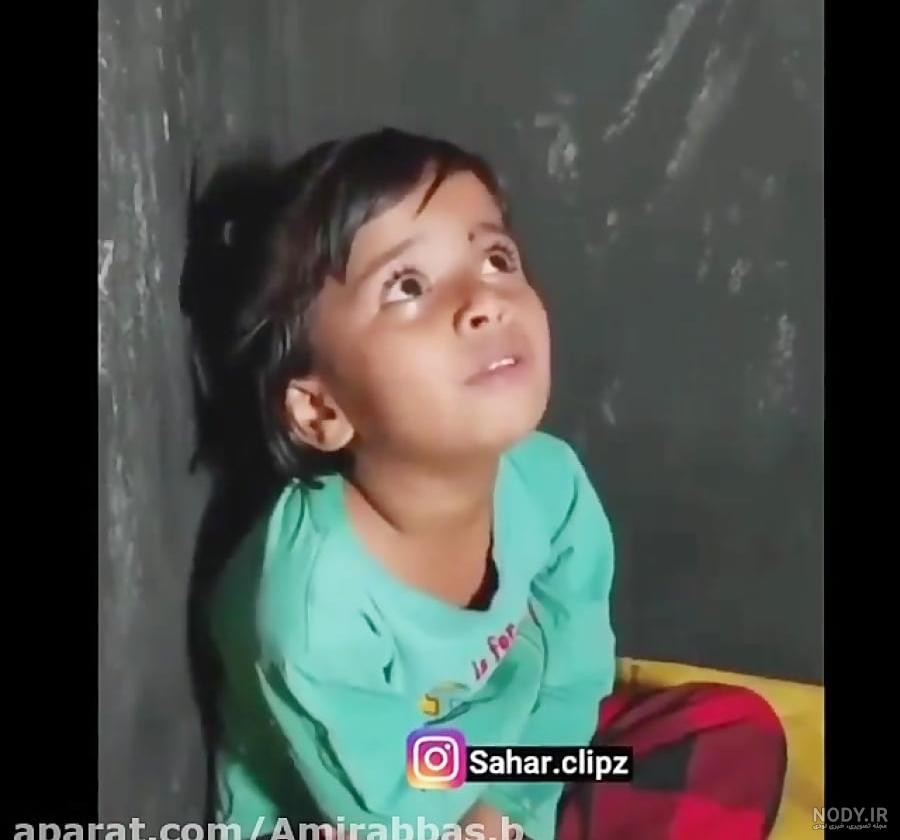
تصویر اول: کودکی در گوشهی خانه کز کرده است. ناگهان در شکسته میشود و چکمهپوشان هجوم میآورند. در کسری از ثانیه سکوتی سنگین بر اتاق مینشیند؛ پدر و مادر بر زمین افتادهاند و کودک نمیفهمد چرا خانه چنین خالی و سرد شد. او با چشمانی خیره به نقطهای نامعلوم در سقف نگاه میکند؛ نه اعتراضی، نه التماسی و نه حتی گریهای—فقط نگاهی که تا ابدیت ادامه دارد. در ذهن او تصویر سربازان ثبت میشود، اما حقیقت در جای دیگری است: درست در همان لحظه، شما در برجهای شیشهای خود قهوه مینوشید و پیروزیهای سیاسیتان را جشن میگیرید.
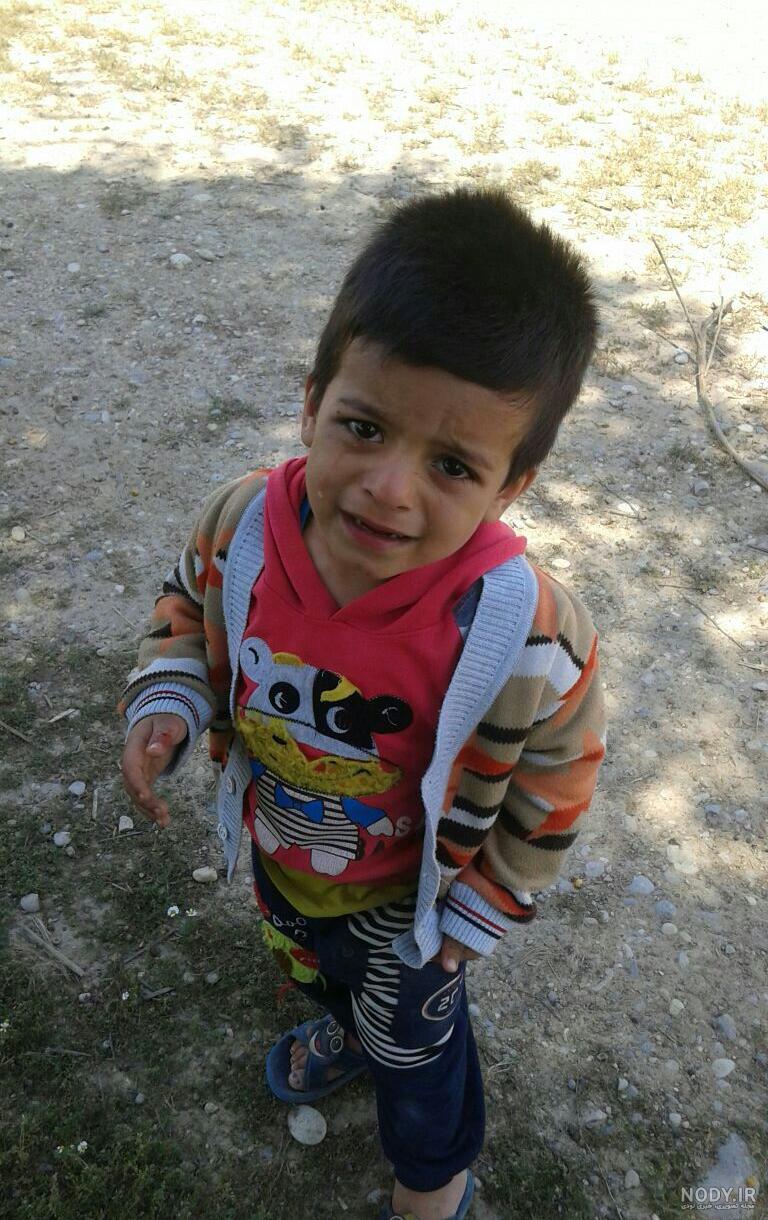
تصویر دوم: کودکی بیرون از خانه، غرق در بازیهای کوچک خویش است که ناگهان غرش آسمان را میشنود. خانه، مأمن و خاطراتش در میان آوار و دود گم میشود. او نمیداند چه رخ داده؛ فقط اشک میریزد و نگاه میکند. آن خلبانی که بمب را رها کرده یا آن اپراتوری که دکمهی شلیک موشک را فشرده، تنها مجریِ فرمانی معطر به امضای شماست. در آن لحظه، زمان مکث میکند تا جهان شهادت دهد: آن کودک را نه انگشتِ روی ماشه، بلکه امضای دوردستِ شما یتیم کرده است.

تصویر سوم: کودکی که نانش را قاپیدهاند. اینجا دیگر سخن از انفجاری ناگهانی نیست؛ اینجا زمان به جای گذشتن، بر تن او ساییده میشود. گرسنگی قاتلی صبور است؛ مانند آوار فرود نمیآید، بلکه ثانیه به ثانیه کودک را از درون میخورد. او در سکوتی ممتد، شاهد ذوب شدن خویش است. هر ساعت که میگذرد، بخشی از رمق چشمانش در پای ترازنامههای تجاری شما قربانی میشود. او نمیمیرد؛ قطرهقطره تمام میشود. نگاه او تقویمِ رنجی است که امضای شما ورق میزند؛ رنجی که در آن هر دقیقهاش به اندازهی یک عمر دردناک طولانی است.
رنج پاسپورت ندارد و اشک کودک تابع هیچ پرچمی نیست. پیش از صدور فرمان بعدی، تنها سی ثانیه در برابر آینه بایستید. مدالها، پستها و عناوین را کنار بزنید و به آن چشمها خیره شوید. اگر هیچ لرزشی در نگاهتان نیفتاد، حقیقتی تلخ را بپذیرید: شما به ماشینهایی برای بلعیدنِ ماده تقلیل یافتهاید.
تاریخ در پایان این راه غبارآلود تنها یک پرسش خواهد داشت: در برابر آن نانی که قاپیدید، کدام بخش از روح خود را فروختید؟
و من، به عنوان یکی از ساکنان موقت زمین، این واژهها را نه بر کاغذ، که بر حافظهی زمان مینویسم. روزی فرزندانتان از شما خواهند پرسید آن ثروت کلان چگونه با اشک یتیمان نمکسود شد. آن روز آسان نخواهد بود؛ زیرا در ترازنامهی نهایی جهان نه طلا جابهجا میشود و نه قدرت—تنها ردِّ عریانِ کنشهای انسانی باقی میماند.
اگر هنوز چشمِ بینایی برای دیدن آوار و گوشِ شنوایی برای شنیدن سکوت مرگبار این کودکان داری، پیش از آنکه خاک بر دهان همهی ما بنشیند برخیز. دستهایت را از این ترازنامهی خونین بشوی، ابراز ندامت کن و از جهانیان—و بیش از همه از همان چشمهای خیره—عذرخواهی کن. این را نه به عنوان خواهش، بلکه به عنوان تنها دریچهی بازمانده برای بازپسگیریِ شرافتت بپذیر؛ شاید این آخرین فرصت تو برای بازگشت به جرگهی انسانها باشد.
____________________________
و به یاد داشته باش:
هم مرگ بر جهانِ شما نیز بگذرد
هم رونقِ زمانِ شما نیز بگذرد
وین بومِ محنت از پیِ آن تا کند خراب
بر دولتِ آشیانِ شما نیز بگذرد
بادِ خزانِ نکبتِ ایام ناگهان
بر باغ و بوستانِ شما نیز بگذرد
آبِ اجل که هست گلوگیرِ خاص و عام
بر حلق و بر دهانِ شما نیز بگذرد
— سیفِ فرغانی
 **
**
Mirror of Conscience
The Bloody Ledger of Bread
The ground upon which you tread with such arrogance is no inherited estate of any power. The soil is not a registered asset in the ledgers of any economic cartel, nor the heirloom of any aristocratic lineage. The Earth is the shared home of all living beings, and we are but brief passersby—arriving with a breath and departing with another, coming to rest in the embrace of eternity.
And yet, these words are addressed directly to you—to you who have entrenched yourselves behind thick walls and polished tables, believing the pulse of the world beats between your fingers. To you who, with the gentle glide of a fountain pen across paper, redraw borders; who, with whispered phone calls, empty thousands of tables of bread across distant oceans.
For your audacity, you have constructed a showcase of elegant words: you call slaughter “security,” plunder “development,” and mask the stench of greed with the perfume of “national interest.” But words—no matter how gilded—cannot wash the scent of blood from your hands. The memory of the soil, though slow to awaken, is precise; it distinguishes the trembling steps of the oppressed from the heavy boots of the oppressor.
The most nauseating act of this spectacle is that with those same hands still warm with blood, you draft “Declarations of Human Rights” for the world. You do not write human rights in ink; you sign them with dried blood upon glossy paper. These declarations are not balm for wounds; they are handkerchiefs for wiping stained hands. It is a shameful paradox: with one signature you sever bread from a throat, and with another you pose as guardians of human dignity.
When the roof of a home collapses upon a child, it is not a “miscalculation”; it is premeditated murder. When the wealth of a land accumulates in hidden accounts, it is not “capital management”; it is plunder. And when factories produce instruments of killing instead of tools for living, what flows is not commerce; it is the industry of death.
You may claim your hands are not directly stained with blood. But those who press boots upon throats are merely the elongated shadows of your will. Bread is snatched from the mouths of the hungry, laundered through the gears of banks and parliaments, and finally settles in your lives as diamonds and villas. You do not steal bread in the streets; with the calm precision of a surgeon, you extract it from a nation’s throat in boardrooms.
Yet there are images no ledger can conceal.
First image: A child crouches in the corner of a home. Suddenly the door is shattered and booted men storm in. Within seconds, a heavy silence falls across the room; the parents lie on the floor, and the child cannot understand why the house has become so empty and cold. He stares at an unknown point in the ceiling—no protest, no plea, not even a cry—only a gaze that stretches into eternity. In his mind, the soldiers are etched into memory. But the truth lies elsewhere: at that very moment, you are sipping coffee in your glass towers, celebrating political victories.
Second image: A child plays outside, absorbed in small games, when suddenly the sky roars. His home—his refuge, his memories—vanishes into rubble and smoke. He does not know what has happened; he simply weeps and stares. The pilot who released the bomb, or the operator who pressed the missile button, is merely the executor of an order perfumed with your signature. In that instant, time itself pauses so the world may bear witness: it was not the finger on the trigger, but your distant signature, that orphaned him.
Third image: A child whose bread has been taken. Here there is no sudden explosion; here, time itself grinds against his body instead of passing. Hunger is a patient killer. It does not descend like debris—it consumes from within, second by second. In prolonged silence, he watches himself melt away. With every passing hour, a fragment of light leaves his eyes, sacrificed upon your commercial balance sheets. He does not die; he diminishes—drop by drop. His gaze becomes the calendar of suffering your signature turns; a suffering in which each minute stretches as long as a lifetime of pain.
Suffering carries no passport, and a child’s tears follow no flag. Before issuing your next command, stand for thirty seconds before a mirror. Set aside medals, titles, and ranks, and look into those eyes. If no tremor crosses your own, accept a bitter truth: you have been reduced to machines for the consumption of matter.
At the end of this dust-laden road, history will ask only one question: in exchange for that bread you seized, which part of your soul did you sell?
And I, as one temporary inhabitant of this planet, write these words not upon paper, but upon the memory of time. One day your children will ask how that vast fortune was salted with the tears of orphans. That day will not be easy. For in the final ledger of the world, neither gold nor power is transferred—only the naked trace of human actions remains.
If you still have eyes to see the ruins and ears to hear the deadly silence of these children, rise before the dust claims us all. Wash your hands of this bloody ledger, express your remorse, and apologize to the world—and above all, to those unblinking eyes. Accept this not as a plea, but as the only remaining opening to reclaim your honor; perhaps it is your last opportunity to return to the ranks of humanity.
___________________________________________
“And bear in mind”
The death of this world shall pass over you as well,
The prosperity of your time shall pass over you as well.
And the owl of misery, following that to wreak ruin,
Shall pass over your nest of power as well.
The sudden autumn gale of the days’ misfortune,
Shall pass over your gardens and orchards as well.
The water of fate, which chokes both high and low,
Shall pass over your throat and mouth as well.
— Saif Farghani
**
 کسی که رازِ محبتِ خویش را دریابد، مرزِ جدایی را پشتسر میگذارد و در بافتِ آگاهیِ بیپایان حل میشود؛